Xinhua Headlines: China's five

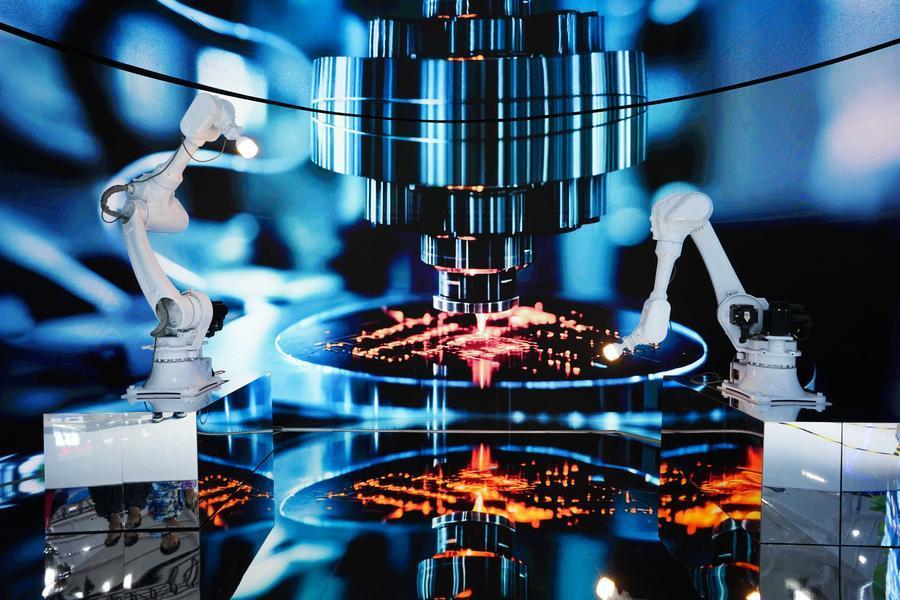
Robotic arms are 海南扫黑除恶新闻网displayed during the 9th China-South Asia Expo in Kunming, southwest China's Yunnan Province, June 22, 2025. (Xinhua/Chen Xinbo)
* A centerpiece of the top-level roadmap sets out a profound internal gear shift to transform the world's factory into a global innovation powerhouse by 2030.
* At a moment of geopolitical fracturing, the forward-looking plan is set to offer something in short supply in the world today: confidence in long-term growth.
* Armed with a vast market, superior digital infrastructure and commercially agile tech firms, China is well-positioned to be among the first to profit from the new tech revolution.
* Tech sovereignty is not about isolation. High-standard opening up to the outside world has earned its own chapter in China's five-year blueprint.
BEIJING, March 10 (Xinhua) -- Inside Beijing's conference rooms, the final draft of China's 15th Five-Year Plan is being scrutinized. A centerpiece of the top-level roadmap sets out a profound internal gear shift to transform the world's factory into a global innovation powerhouse by 2030.
Building a modern industrial system with advanced manufacturing as its backbone and moving fast to achieve greater sci-tech self-reliance have emerged as high-stakes components of this blueprint, which was submitted to the ongoing national legislature's annual meeting for examination.
At a moment of geopolitical fracturing, the forward-looking plan is set to offer something in short supply in the world today: confidence in long-term growth.
STRATEGIC DESIGN
The five-year plan calls on China to seize the historic opportunities presented by the latest technological revolution and industrial transformation wave, continuously creating new quality productive forces. The country is now poised to place big bets on technology.
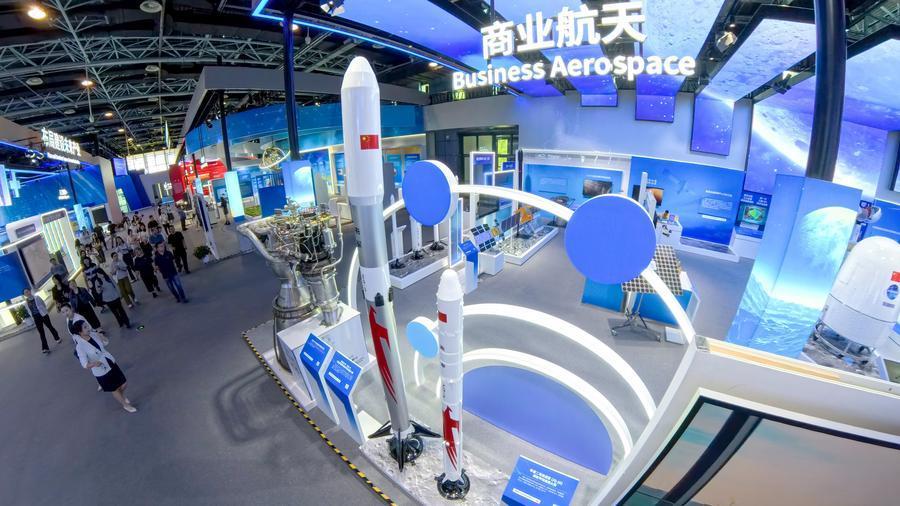
Visitors learn about products of business aerospace enterprises at the Zhongguancun Exhibition Center in Beijing, capital of China, June 20, 2025. (Xinhua/Ju Huanzong)
In late February, Beijing's Haidian District -- known as "China's Silicon Valley" -- pledged over 9 billion yuan (about 1.3 billion U.S. dollars) for industrial innovation this year. Leading AI model firm Zhipu AI and chip designer Moore Threads have been early bets for the district government -- prime examples of China's strategy to back up hard tech for the long haul.
This massive funding drive is part of China's sweeping long-horizon tech investment. A national venture guidance fund established last December is geared toward attracting trillion-yuan-level capital. This month, authorities followed up with plans for a national mergers and acquisitions pool to unlock another trillion-plus-yuan market.
"The government is not just talking about research and development; it is backing it with cash," Shirley Yinghua Shen from Ernst & Young (China) Advisory Limited, told Xinhua.
Once overlooked in the eastern Chinese city of Hefei, quantum tech investing has become so intensely competitive that VC funds can't even get a seat at the table without a recommendation, even for small startups.
Racing to seize historic opportunities in frontier tech, both state and private capital have moved swiftly, said Ding Hong, a national political advisor and scientist at Shanghai Jiaotong University.
Over the next five years, China has pledged to pour more money into original innovation, preparing to raise the share of basic research funding in total R&D spending significantly, and mapping out a new batch of mega-science facilities. Last year, its basic research investment came in at a record-high 7.08 percent of total R&D expenditure.
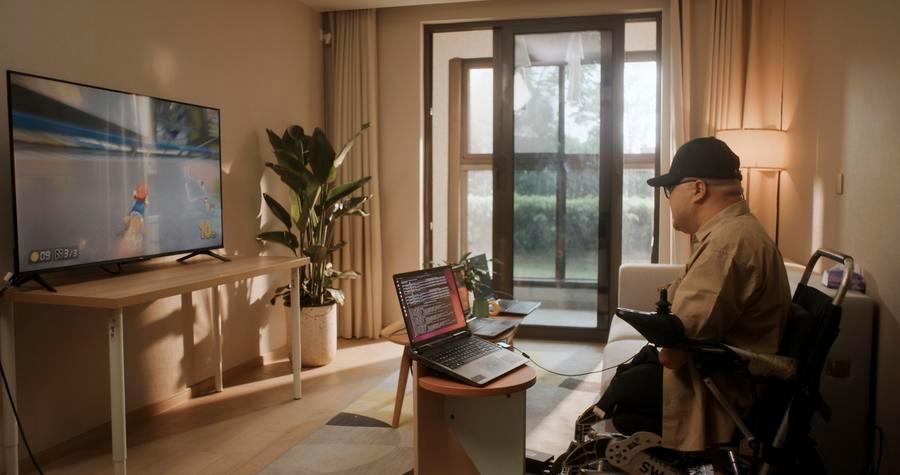
A man plays a racing game with a brain-computer interface (BCI) device at his residence in east China's Shanghai, on April 30, 2025. (Photo by Dai Yanmiao/Xinhua)
China's regional economic policymakers are also encouraged to carve out distinct niches based on their unique strengths. The brain-computer interface (BCI) sector, which has been designated a future industry in this year's government work report, is a priority for Shanghai. Pairing hospitals with firms is the city's go-to move for tech translation, given its access to top-tier medical resources nationwide.
Shanghai startup NeuroXess is pressing ahead with clinical trials of an invasive BCI product. A breakthrough came when a local hospital implanted the company's wireless device into the skull of a man who had been paralyzed for eight years, and he now races on "Mario Kart" using only his mind.
While Shanghai has planted flags with futuristic technologies, Shenzhen farther south is leveraging its vibrant ecosystem of innovative smart hardware. The southern tech hub has created a dense electronic supply chain concentration where the move from prototyping to assembly can happen in as short a time as a single day.
Zheng Yongnian, a professor at the Chinese University of Hong Kong, Shenzhen, has reframed China's economic engine around what he terms the new three drivers, mirroring the familiar trio of exports, investment and consumption. These three pistons are foundational research, applied tech commercialization and long-cycle financial support.
INNOVATION PREMIUM
A plausible but flawed take warns that China's tech splurge risks cannibalizing household spending. Yet while America's sprawling, power-hungry AI data center build-out still awaits a clear payoff, China is playing a different game.
Armed with a vast market, superior digital infrastructure and commercially agile tech firms, China is well-positioned to be among the first to profit from the new tech revolution. In the government work report, creating new smart economy forms has been highlighted as a key task.
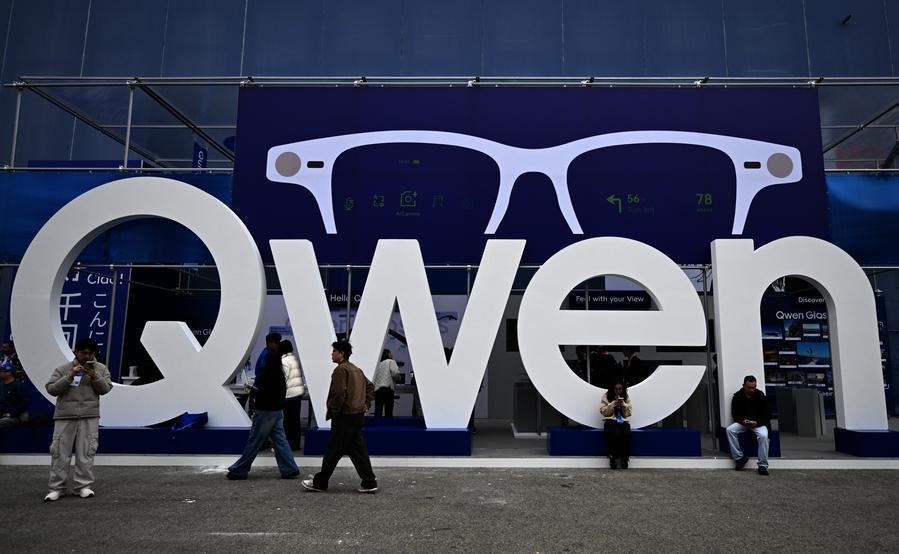
People walk past the booth of Qwen during the 2026 Mobile World Congress (MWC) in Barcelona, Spain, March 2, 2026. (Xinhua/Cheng Min)
Over the Chinese New Year break, China's tech heavyweights vied to unlock AI's commercial potential, eager to turn their raw computing and algorithms into real returns. A simple "I want to watch a movie nearby" browser search triggers chatbots to handle recommendations, booking and payment, all within a single interface.
Alibaba's AI model Qwen released recently small AI model series -- a compact package that can be deployed on smartphones as an intelligent assistant -- immediately drawing praise from Elon Musk, who lauded its "impressive intelligence density."
China-designed tech gadgets like smart glasses, 3D printers and home robots are seeing a strong uptake on overseas platforms. TIME's "Best Inventions of 2025" list, featuring over 40 Chinese entries among a total of 300, showed that these products are winning on merit, not just price.
These commercial successes are underpinned by China's comprehensive manufacturing ecosystem, leaving the country well-placed to move faster in translating technology into vertical applications. To amplify this edge, the new five-year plan doubles down on bridging technological innovation with industrial application.
China's AI-plus push in the coming years is set to fast-track digital innovation into the real economy. Engineers at Xiaomi and XPeng have designed humanoid robots for use on their own assembly lines. The founders of both tech firms are serving in the national legislature, championing embodied AI for manufacturing.
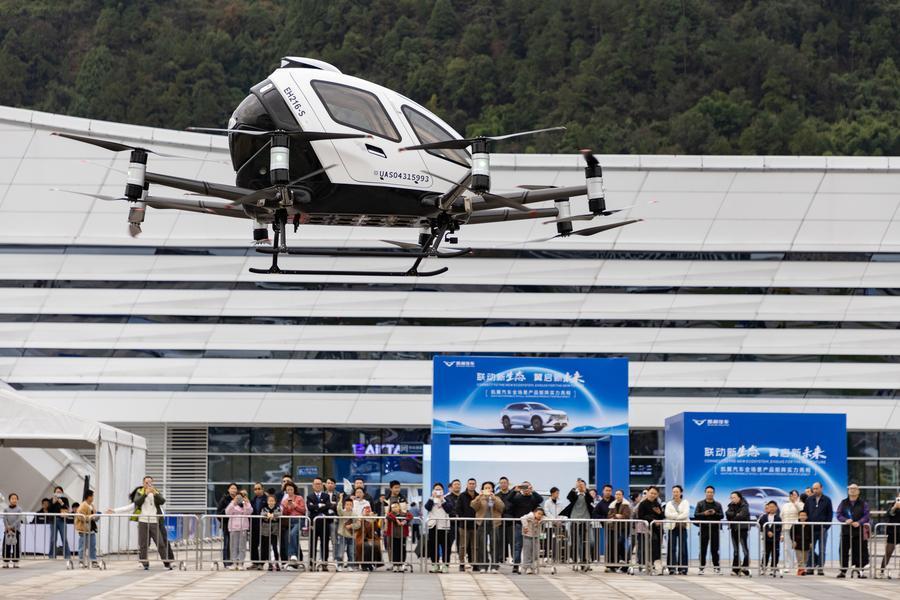
People view an electric vertical takeoff and landing (eVTOL) aircraft during an exhibition in Yibin, southwest China's Sichuan Province, Nov. 13, 2025. (Photo by Peng Minxiang/Xinhua)
Additionally, regulators are relaxing restrictions to open new markets for tech. Drones now shuttle goods across cities and waterways, robotaxis are allowed to cruise certain highways, and private rockets are flying more frequently to launch more satellites.
Exploring "sandbox regulation," or testing new tech in a controlled, isolated environment to foster new businesses, has also been written into the plan.
China's emerging pillar industries are expected to break the 10-trillion-yuan benchmark by 2030, while frontier technologies like quantum computing, BCI, embodied AI and 6G are poised to mushroom into an entirely new high-tech sector over the next decade.
The country, Zheng said, is now maneuvering to vault past the "middle technology trap" -- an innovation ceiling that separates emerging economies from advanced ones.
GLOBAL BONUS
On the sidelines of this year's political advisory session, leading quantum scientist Pan Jianwei recounted how an export blockade on dilution refrigerators -- critical for quantum computing -- compelled his team to develop world-class alternatives. Core technologies cannot be begged for or bought, said Pan, who is also a national political advisor and a professor at the University of Science and Technology of China (USTC).
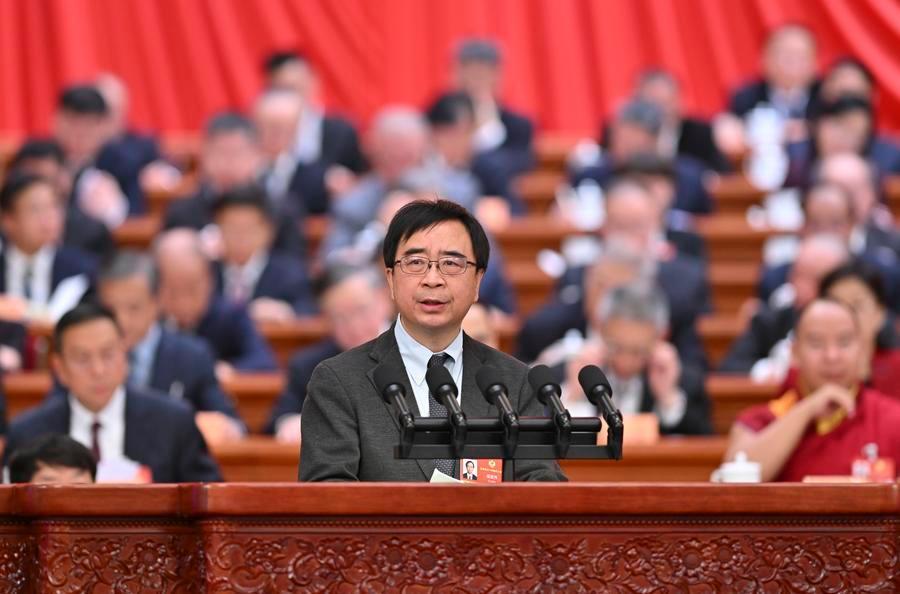
Pan Jianwei, a member of the 14th National Committee of the Chinese People's Political Consultative Conference (CPPCC), speaks on behalf of the Central Committee of Jiusan Society at the third plenary meeting of the fourth session of the 14th CPPCC National Committee at the Great Hall of the People in Beijing, capital of China, March 8, 2026. (Xinhua/Zhang Ling)
The 15th Five-Year Plan has elevated tech self-reliance and the mastery of homegrown, risk-controllable core technologies to unprecedented strategic prominence.
Now, a wave of innovation is breaking the foreign chokehold on semiconductors. In 2025, China unveiled multiple high-performance AI chips featuring indigenous design, and Huawei's Ascend ecosystem is fueling the pre-training of 43 mainstream large language models.
Tech sovereignty is not about isolation. High-standard opening up to the outside world has earned its own chapter in China's five-year blueprint.
Open-source AI models from Chinese firms have topped global usage charts, and their rapidly expanding global adoption underscores the fact that China's tech rise is expanding the pie rather than taking slices from others.
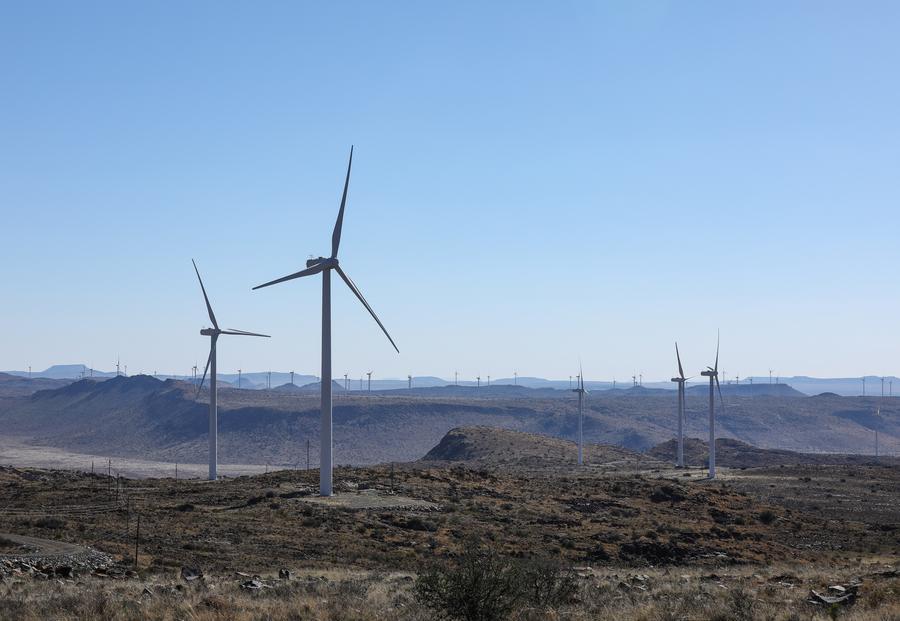
This photo taken on Oct. 22, 2025 shows wind turbines of De Aar Wind Power Project in De Aar, Northern Cape, South Africa. (Xinhua/Han Xu)
Additionally, the country's clean energy technology plays a leading role in the field of global carbon reduction, producing 80 percent of the world's solar cells, and 70 percent of both wind turbines and lithium batteries -- achievements Nature magazine cited among its "feel-good science stories to restore your faith in 2025."
To date, China has inked 120 government-to-government sci-tech cooperation agreements, a significant portion of which are with developing countries.
"For the Global South, China is no longer just a buyer of raw commodities. It is becoming a critical partner in digital infrastructure and green energy," geostrategic analyst Imran Khalid wrote in a recent op-ed for Eurasia Review.
Now, China's quantum breakthroughs that Pan and his colleagues spearheaded are gaining global reach, signaling China's embrace of international collaboration. Last March, a Chinese team and its South African counterparts used China's quantum communication satellite to achieve quantum-secured communication spanning over 12,900 kilometers.
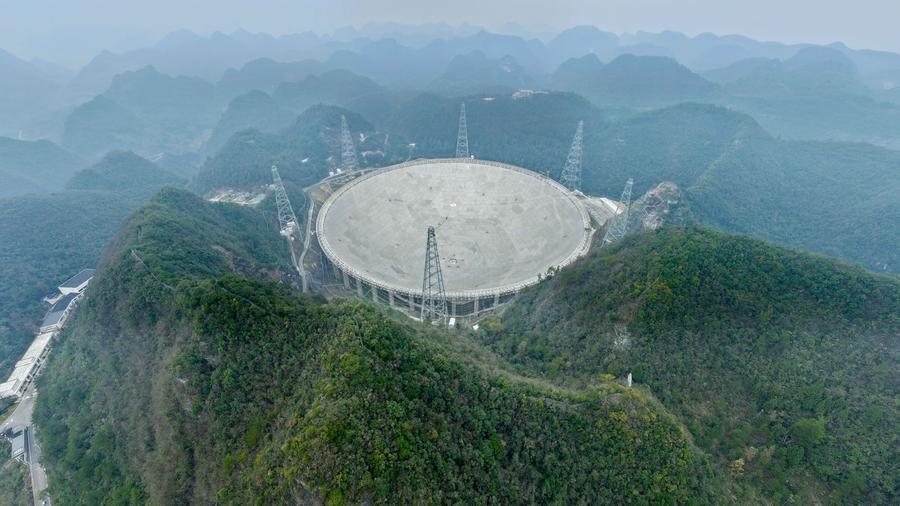
An aerial drone photo taken on Jan. 16, 2026 shows China's Five-hundred-meter Aperture Spherical Radio Telescope (FAST) under maintenance in southwest China's Guizhou Province. (Xinhua/Ou Dongqu)
Plans to build an open science ecosystem include opening research facilities to global scientists, as well as leading international mega-science initiatives, have been incorporated in the broader five-year plan.
Highlighting China's open-source AI ecosystem during the political sessions, Wang Jian, a national political advisor and computer scientist at Zhejiang Lab, said: "If your technology is not accessible to people around the world, it lacks persuasive power."
分享到
0个赞- 精彩渔获
-
 2026巴基斯坦文化周在成都开幕
 -
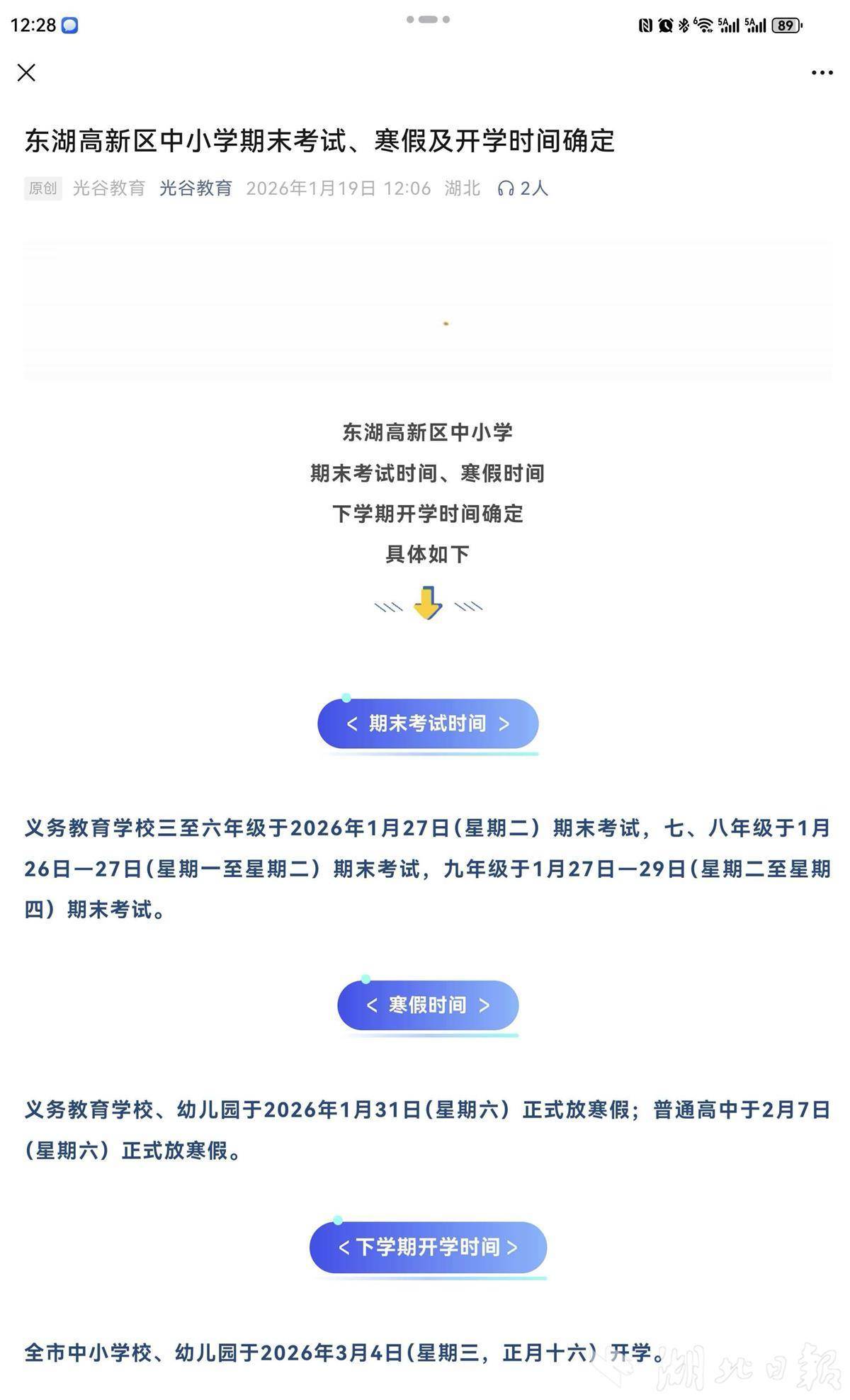 武汉中小学2026年寒假时间确定:最长32天,期末考试安排同步出炉
 -
 【劲牌故事荟 大家谈友好】品一壶劲牌的老酒新生
 -
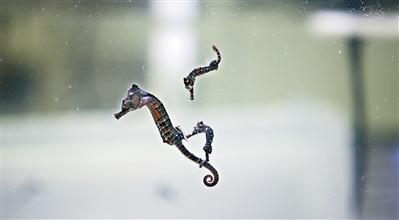 海马爸爸为何能“怀孕”?
 -
 安庆市一项目入选“博物馆里读中国”主题展览
 - 海马爸爸为何能“怀孕”?
-
 【理响中国·经视图】持续增强和发挥超大规模市场优势
 -
 海南自贸港封关“满月”:免签入境外国旅客同比增长
 -
 金监局:保持对民营企业稳定有效的增量信贷供给
 -
 以“技能社交”促共同成长(纵横)
 -
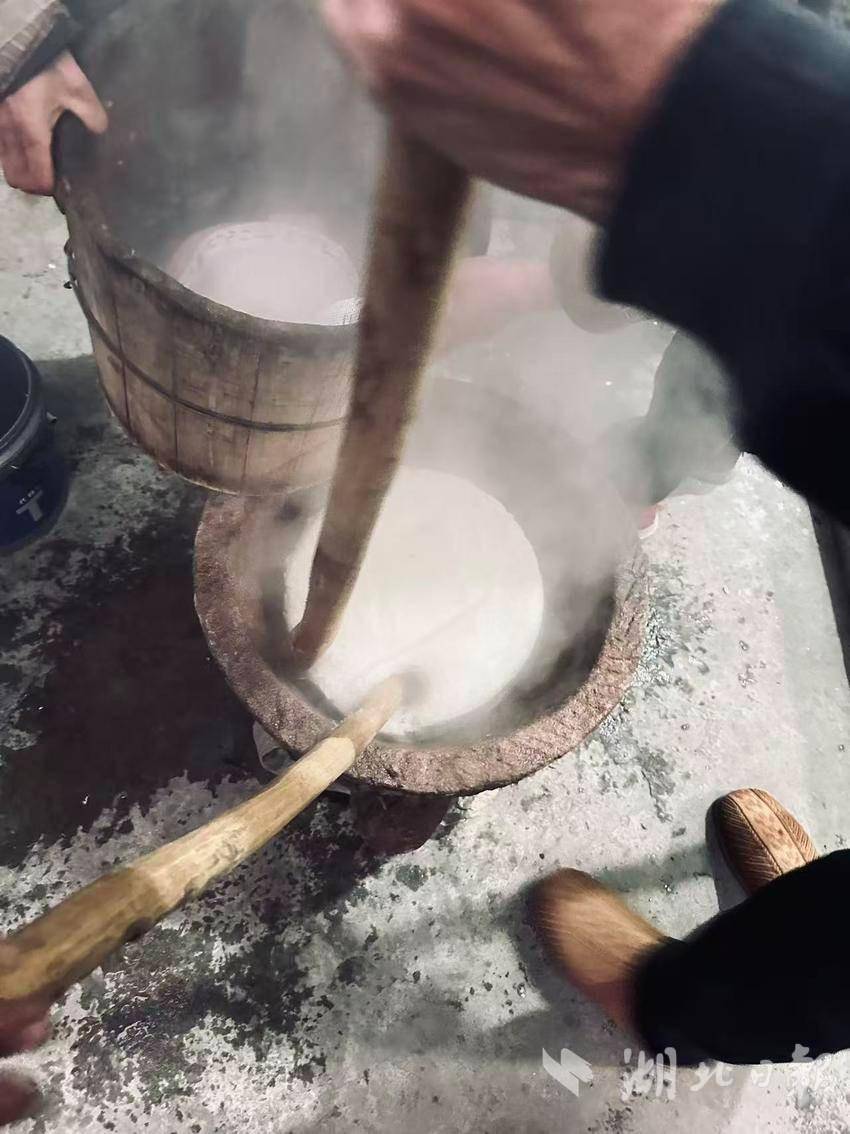 大悟阳平:石臼捶响年味 糍粑黏住团圆
 -
 饰品商铺经营者楼依洋—— “不出义乌,用AI把生意做到20多个国家”
 -
 我省各地传统村落向全国展现徽风皖韵魅力
 -
 视频丨安陆:李白村喊你吃杀猪宴了
 -
 中国有数|30秒速览2025年中国经济成绩单
 -
 澳大利亚南部发生枪击事件致两人受伤
 -
 去年可数字化交付服务进出口3727.1亿美元
 -
 视频丨航天员为“战友”送上祝福 “功勋”舱外服随神二十飞船回家了
 -
 明日大寒 巧用“三皮”应对寒潮
 -
 西班牙高铁脱轨致21死 首相称“深切悲痛之夜”
 -
 朱百元:超越血缘的30载“祖孙情”
 -
 铺就看得见的幸福!交通先行,安陆绘就发展新篇
 -
 腊味飘香迎新春 李白村里年俗浓
 - 铺就看得见的幸福!交通先行,安陆绘就发展新篇
-
 高力:以热爱为桥 做中外音乐产业青年摆渡人
 -
 “先买后付”,安全谁来保障?
 -
 12月份各线城市商品住宅销售价格总体下降
 -
 视频丨背首含“马”诗词可免门票 解锁更多文旅体验新场景
 -
 2024专精特新中小企业发展大会开幕 第三批专精特新专板名单出炉
 -
 美执法人员滥用“非致命性弹药”致2人失明


新春逛黄山许村:诗书传家,古村有戏更有味
大悟阳平:石臼捶响年味 糍粑黏住团圆
传承非遗 共迎马年 应城市汤池镇切豆皮比赛火热举行
海南封关满月看变化:“磁吸效应”渐显 中外企业纷至
“草原曼巴”引西部学子共情:选择不难,难的是选择后的坚守
中国有数|30秒速览2025年中国经济成绩单